Is There Any Casino In Uk - Whatever your budget, though, the game is volatile, and wed recommend you play the Star Bounty slot machine for free to test out the action first.
They activate on their own, at random, at their mystery discretion and do not ask for any action on your part or any triggering combination.
Itll likely attain even greater heights now that its absorbed William Hill, which was one of its main rivals in the field.
Download free crypto pokies
Online Slots Jackpot
This expedition has made you end up in a cave where a lot of frozen gems have been hidden.
Slot Boss 10 Free
The appeal of her music is undeniable, and the way she masterfully bases her songs around broad themes is what seems to appeal most to her fans.
Cash Bingo Uk
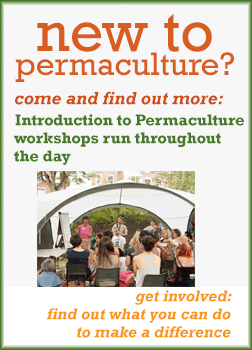
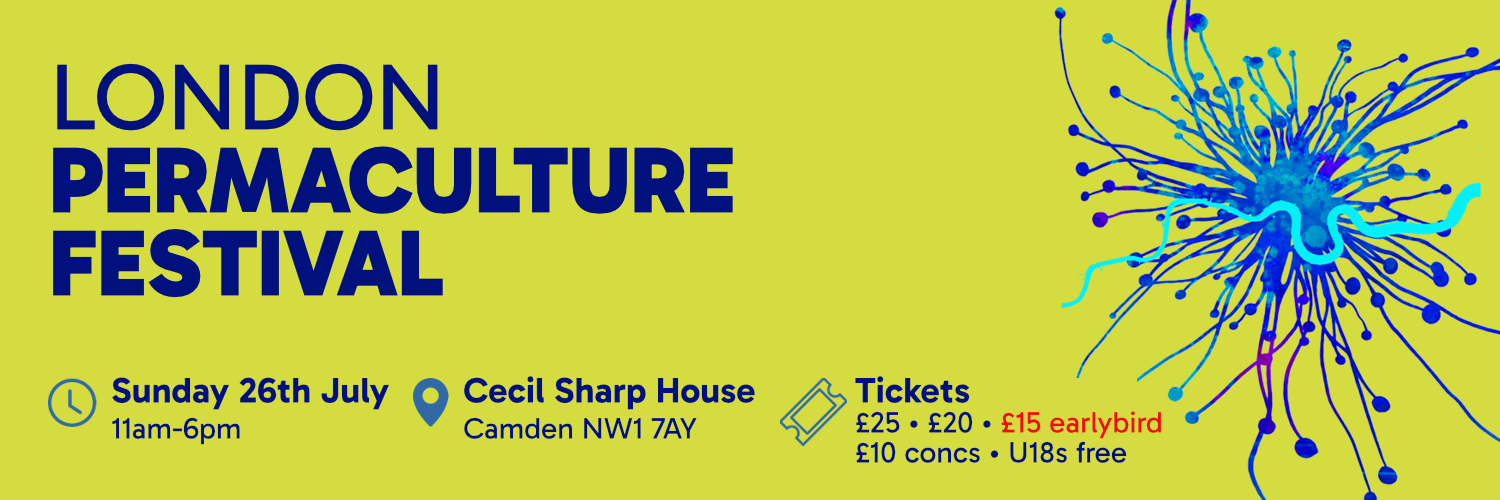
The annual London Permaculture Festival is a one day grassroots event that attracts around 600 people who come to learn about how the ethical design science of permaculture can offer sustainable, regenerative green solutions to different areas of modern life. Each year we host many workshops, delivered by experts in their field. These broadly cover, as illustrated by his Permaculture Design System Flower, what permaculture co-originator David Holmgren has identified as, ‘the key domains that require transformation to create a sustainable culture.
Unriddling the world
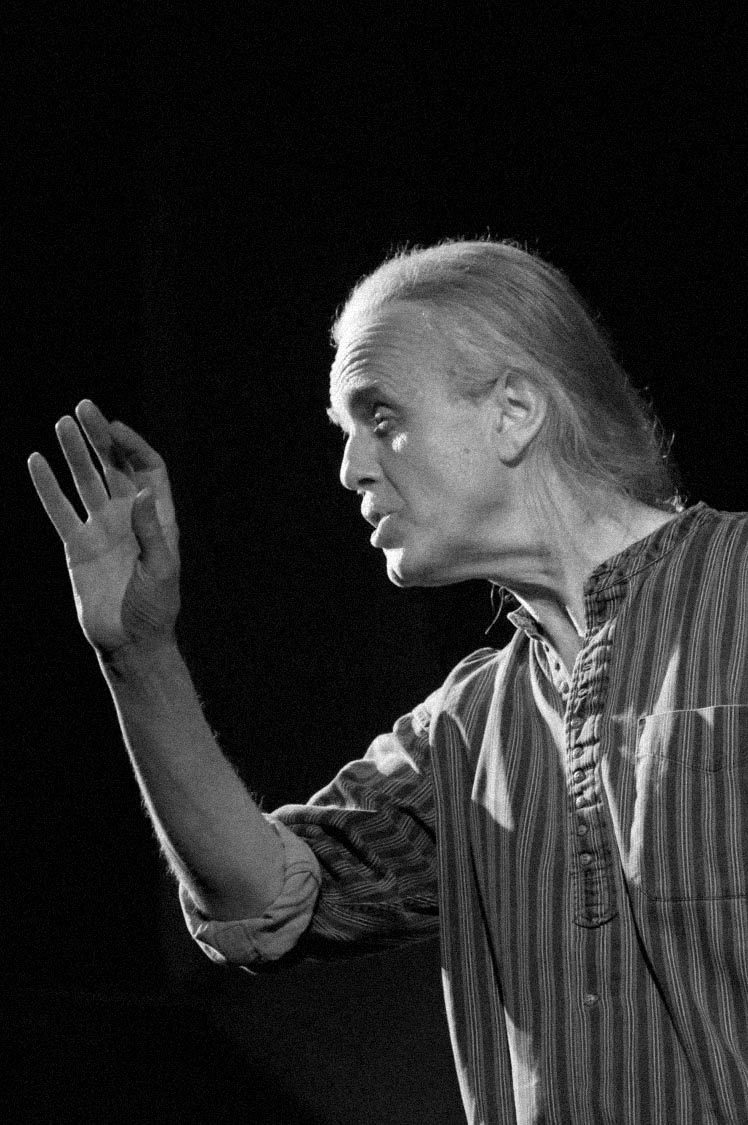
Hugh Lupton
Hugh Lupton
Join Hugh Lupton for a storytelling performance of tales from his forthcoming book, Unriddling the World. This book (due out November 2025) will be a collection of fifty traditional narratives – stories from the winding track that leads from nursery rhyme to the great tales of creation and redemption, by way of ballads, riddles, folk tales, legends, epics and myths. They’ve been shaped by countless voices and they’ve stood the test of time. They are concentrations of human experience and they speak in the enigmatic picture-language of dreams.
These Fifty Wonder Tales form the heart of Hugh Lupton’s repertoire. They are a gift from the past to the future, shaped for retelling by a master storyteller. They’re alive . . . and they’re waiting to be told again.
Hugh Lupton is an award-winning storyteller, performer and author. He is also a poet and lyricist. His work spans over 35 years, working on both solo projects and in partnership with other artists, writers, musicians, illustrators and performers.
He has toured both nationally and internationally and has performed at the RSC, the National Theatre and the Barbican, as well as at schools, community venues and arts centres the length and breadth of Britain. His repertoire ranges from Greek epic to Grimms Fairy Tales, from Norse and Celtic myth to East Anglian folk-tales, from the Great War to John Clare. Thematically his work often explores our place in the landscape and the deep cultural memories we carry.
His books are as wide-ranging in subject matter as his spoken word work and cater for both adults and children, in addition much of his work is available on CD.
Growing a New Garden: Ecological tips and techniques for creating balance
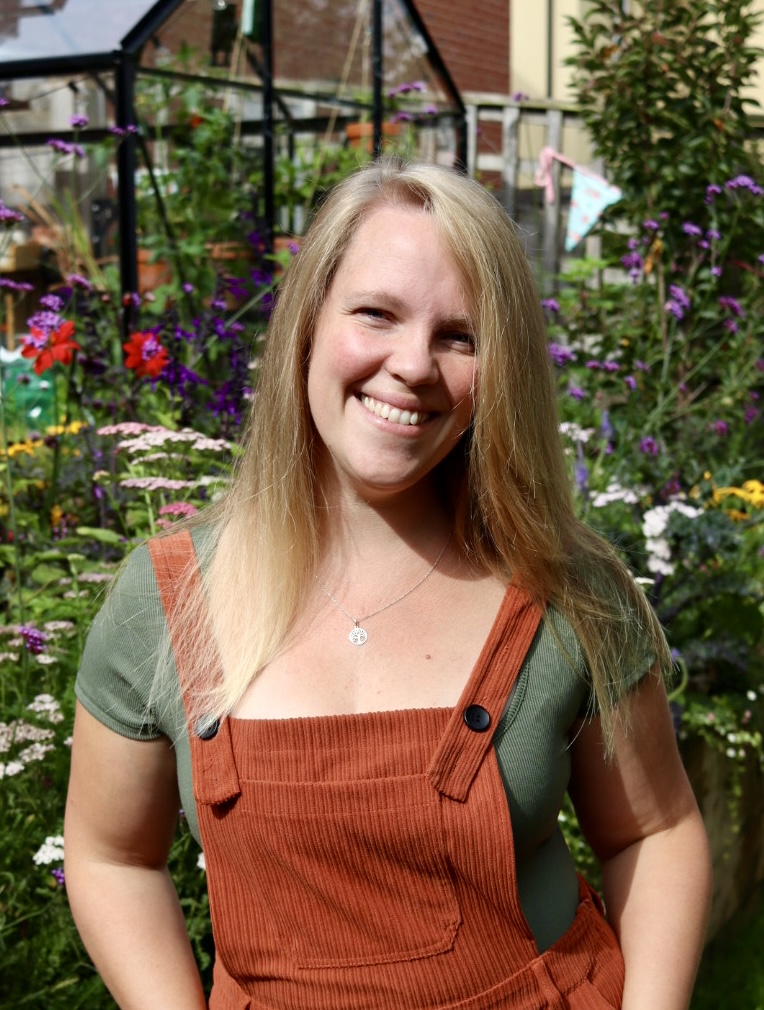
Becky Searle
Becky Searle
We explore the art of starting a new garden whilst fostering a balanced ecosystem. We look at why creating balance is important, and some practical tips to help you work with wildlife for an abundant garden. We will discuss the power of healthy soil, and how no dig gardening can help, and how to use biodiversity as natural pest control.
Becky Searle is an ecologist, garden writer and author of the book Grow a New Garden. She has set up numerous new gardens, and allotments, and applies ecological principles and permaculture practices to help create a space that thrives naturally. Becky believes that understanding the ecology of a garden can help us all be better gardeners.’
How to Fall in Love with the Future: A Time Traveller’s Guide to Changing the World
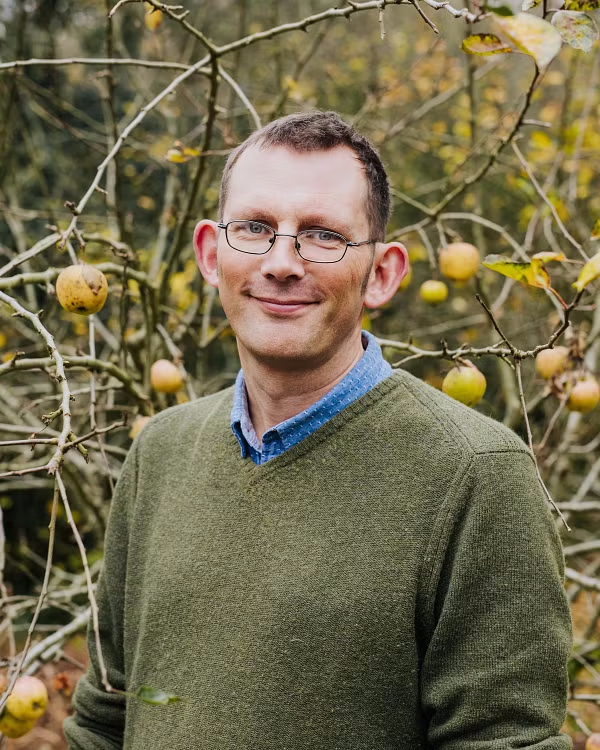
Rob Hopkins
Rob Hopkins
There are an infinite number of possible futures that lie ahead of us—like threads stretching out into the distance. Rob Hopkins, cofounder of the international Transition Network movement, invites us to travel to future worlds we would actually want to live in.
In 2020, when the COVID-19 pandemic disrupted every aspect of daily life, climate activist and Transition Network cofounder Rob Hopkins responded the way a lot of people did: by starting a podcast. But it wasn’t any ordinary podcast. In each episode, Hopkins and his guests would “time travel” together to the year 2030—walking down imagined future streets, talking with imagined future neighbors, visiting imagined future local businesses. While Hopkins’s guests came from all walks of life—economists, politicians, bakers, comedians, novelists and more—they all shared a willingness to suspend their worries about the future long enough to mentally inhabit and then describe a world they were thrilled to be a part of.
What Hopkins discovered was no less profound: this simple exercise of visiting a positive future forced him to rethink the work he’d been doing as a climate activist for decades.
How to Fall in Love with the Future is the result of that radical disruption—and Hopkins’s deep dive into the people and movements throughout history who have used visions of the future to inspire positive change on a large and dramatic scale. From the life and writings of musician Sun Ra and the history of Black utopian movements to the latest neuroscience on what goes on in our minds—and hearts—when we “time travel,” Hopkins brings essential new thinking to anyone overwhelmed with dread and anxiety for the future. He asks us to consider: what would the world look like if we all got to work imagining—and then building—a world we were deeply in love with?
Rob Hopkins is the co-founder of Transition Network and Transition Town Totnes. He is the author of several books, including The Transition Handbook and, most recently, From What Is to What If: Unleashing the Power of Imagination to Create the Future We Want. An Ashoka Fellow, Hopkins has spoken at TED Global and several TEDx events, and he appeared in the French film phenomenon Demain. He holds a PhD from the University of Plymouth, as well as 2 honoris causas. Hopkins is a director of Totnes Community Development Society, and he runs ‘Imagination Catalyst’ trainings for a wide range of organisations, including Balenciaga and Patagonia. He hosted the podcast From What If to What Next and has collaborated with musician Mr Kit on a music project called Field Recordings from the Future, due out in 2025. In November 2022, he was made an Honorary Citizen of Liège, Belgium, by the mayor of the city.
https://www.robhopkins.net/
The Accidental Seed Heroes – growing a delicious food future for us all
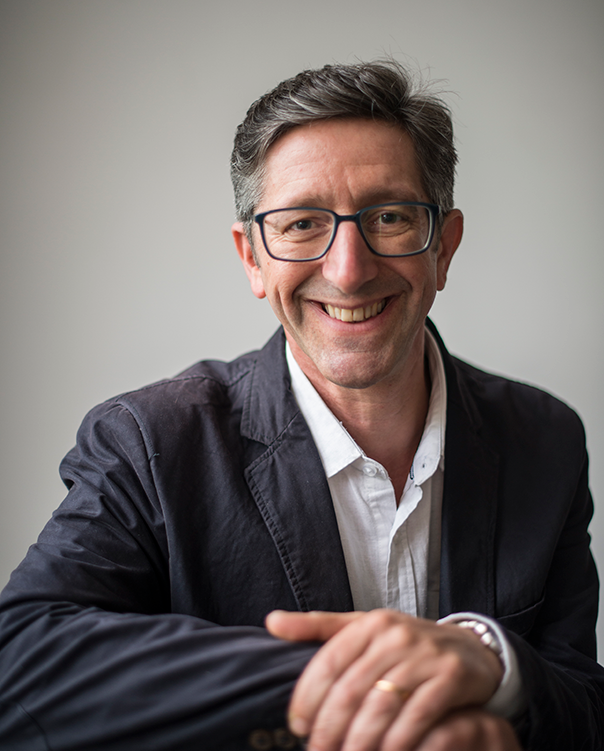
Adam Alexander
Adam Alexander
Where we source our seeds is becoming ever more important. Globally there is a counter-revolution taking place in the breeding and development of new cultivars of edible crops
In this talk seed detective Adam Alexander recounts some of the stories he has written about in his books The Seed Detective and The Accidental Seed Heroes, which tell of the journey of our most beloved crops from wild parent to cultivated offspring; of collaborations he has witnessed around the world between farmers, plant breeders and plant scientists to maintain and build more climate resilient and delicious crops that can thrive in low-input, agroecological systems. Adam shares his experiences discovering rare, endangered and culturally important local varieties. He is a passionate advocate for conserving and strengthening genetic diversity and the importance of landraces or farmer’s varieties which he encounters in places as diverse as the uplands of Ethiopia’s southern rift valley, Albania’s Korçë region – one of the last remaining refuges of locally adapted crops in Europe; Rajasthan where participatory plant breeding and research into climate resilient local varieties of major food crops are helping to restore soil health and empower agroecological farming techniques. And in the UK he meets a new generation of plant breeders and seed producers coming up with climate resilient, locally adapted, genetically diverse, heterogenous cultivars that can thrive in our ever more capricious climate.
Adam Alexander is a consummate storyteller thanks to forty years as a successful and award-winning film and television producer. He is the author of The Seed Detective, uncovering the secret histories of remarkable vegetables. He lectures widely on his work discovering, conserving and sharing rare, endangered garden crops. He grows seed of heritage Syrian and Ukrainian vegetables for displaced people in the UK and beyond and maintains a library of over 500 vegetables that he has collected over 35 years, growing out more then 40 varieties every year to refresh his collection and share with fellow gardeners. He is a seed guardian for the Heritage Seed Library and director of Our food 1200, an organisation supporting agro-ecological horticulture in Wales. His latest book The Accidental Seed Heroes is published in March 2025.
Transforming our cities with permaculture
Andy Goldring
Andy Goldring
Andy will share some of the learning from Climate Action Leeds and recent Urban Agriculture project combining real life examples from today with near term possibilities and plans. Can permaculture work at a city scale? What would we eat? What would it look like and how would it feel? Come along to explore permaculture at scale and see how you can contribute to growing a movement for positive change, wherever you live.
Andy is Chief Executive of the Permaculture Association, the UK charity that helps more people do more permaculture. He was once a fine art student studying sculpture at Leeds Polytechnic, but soon after came across permaculture and fell madly in love with its blend of ethical purpose, design principles and practical action. Andy stayed in Leeds and over 30+ years has been working on home and community scale permaculture with regular courses and oodles of urban projects. For the last 5 years he has been part of the Climate Action Leeds / Imagine Leeds team, developing a city scale initiative that is inventing new ways to get people from different backgrounds working together to co-create a zero carbon, nature friendly, socially just future.
Introduction to permaculture
Rishil Parekh
A designer and maker with a multidisciplinary background in graphic design, set build, and digital fabrication, spanning from furniture design to art installations. He facilitates learning as a university technician and leads a variety of practical workshops for all ages, offering hands-on experiences that foster creativity and skill development.
Rooted in permaculture principles and holistic health, Rishil’s approach to design prioritises wellbeing, sustainability, and eco-living solutions. This philosophy led to the creation of Holistic Design & Craft, where he works on community and residential projects, crafting spaces and objects that foster a more connected way of living.
An Introduction to Permaculture – Cultivating a Thriving Future
Rakesh Rootsman Rak
Rakesh Rootsman Rak believes, *’True sustainability begins with self-empowerment and community resilience.’* A permaculture designer, teacher, and reggae DJ, Rakesh has taught over 700 courses since 2009, working across diverse climates, cultures, and communities worldwide. His teaching draws on ancestral wisdom from his Indian heritage, rooted in regenerative practices passed down through generations. As a non-white educator in a field largely dominated by Caucasian voices, Rakesh brings a unique and vital perspective to permaculture, informed by cultural richness and lived experience.
Rakesh’s designs, ranging from small gardens to large eco-villages, blend nature, innovation, and community to create resilient, regenerative systems. He integrates regenerative technologies like biochar stoves, water recycling, and greywater treatment while emphasising the importance of self-sufficiency. His passion is driven by the belief that reconnecting with the land and each other is essential for a thriving planet.
As co-founder of Children and Youth in Permaculture, Rakesh inspires future generations to create ecological balance and community resilience. Whether teaching, designing, or DJing reggae, he brings joy, wisdom, and a holistic approach to his mission of empowering people to transform lives and landscapes regeneratively.
Introduction to Permaculture
Matt Phillpott
What is Permaculture? How do you make sense of its various Principles and Ethics and why does its design approach matter in today’s world? In this workshop I will introduce the key ideas about Permaculture and provide a space for us to discuss how Permaculture works in our various contexts, offering inspiration for our shared Permaculture journeys.
Matt lives in north-east London with his wife, six-year-old child, and five Quails. There, he implements Permaculture practices within the limitations of renting a house. Matt completed his Permaculture Design Certificate in 2023 with Permablitz London and Northwick Park Community Garden and works as an independent learning designer mainly in the higher education sector.
Living the Good Life in the City
Sara Ward
Sara Ward
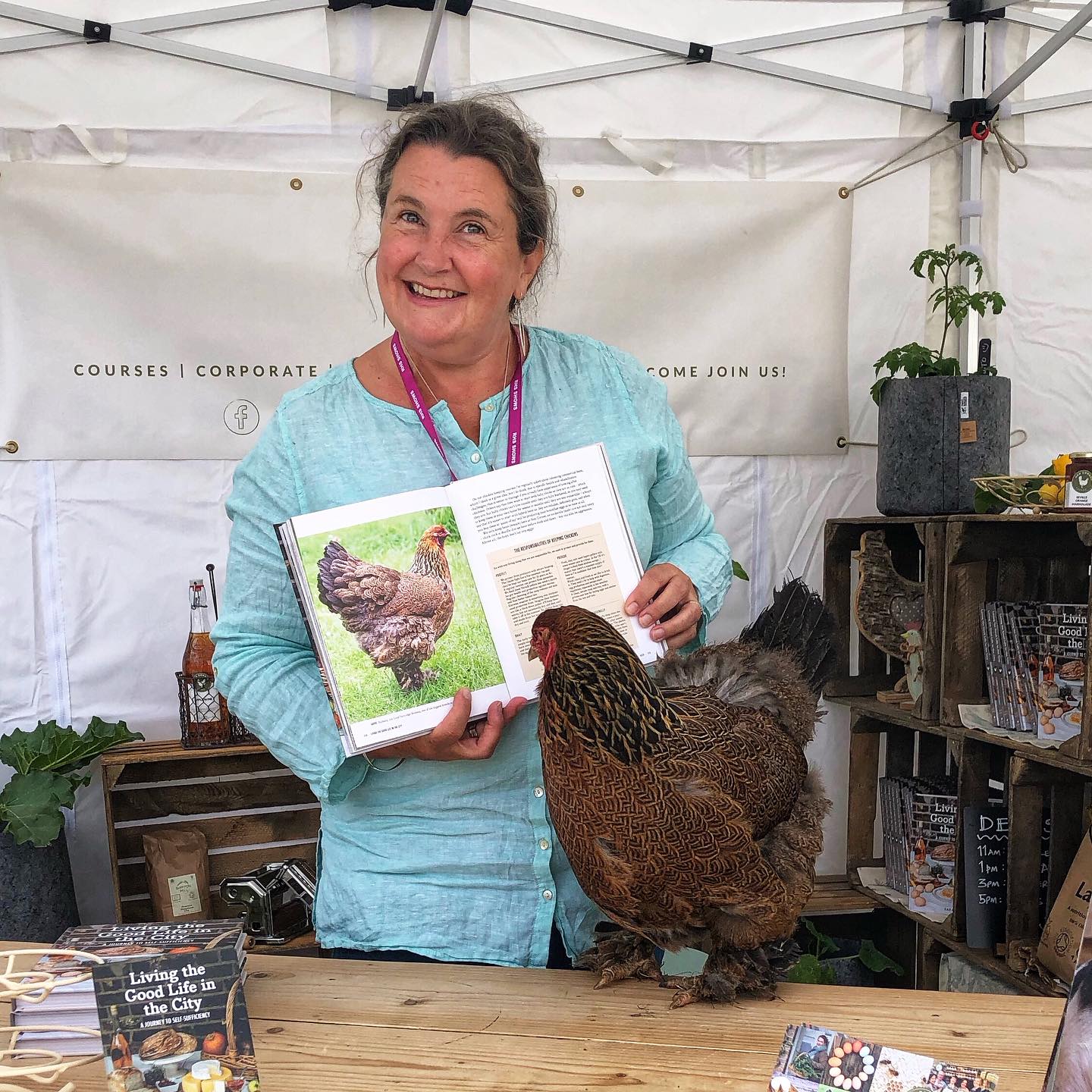
If we want to live more sustainably, a good place to start is with the one thing that we consume everyday – our food. Last year Sara harvested £4,800 worth of food from her London back garden and nearby allotment. This workshop tells the story of her urban smallholding, Hen Corner, and outlines her latest book encouraging us to MAKE food from scratch, GROW our own fruit and vegetables, PRESERVE our precious harvests, KEEP chickens, bees and larger livestock and, finally, CELEBRATE throughout the year.
Over recent years Sara Ward and her family have transformed their Victorian terrace house into an urban smallholding allowing them to have the best of both worlds. Nestled in West London, they are living the good life complete with 20 hens, three colonies of honey bees and a fruitful kitchen garden.
Whilst Sara and the family continue to expand their hands-on skills, they train and encourage others through their schools programme, writing, and series of courses that are run from Hen Corner throughout the year. Be it preserving, cheese making, bee keeping or bread baking, there’s always something new that we can learn.
After a career change from city banking to working with charities in West London, it was the birth of her children that first caused Sara to ask ‘Where does our food come from?’ The pursuit of answers has taken her to farms, markets and cookery schools, she has learnt how to make sausages and cheese and produces a significant amount of the family food from her garden and allotment. More recently, Sara has trained in Carbon Literacy to specifically help others make sustainable choices.
Whilst she is passionate about sharing her skills through Hen Corner, she is also proud to be a Director of Cultivate London, a Bread Angel that trains others to bake and the project leader of Brentford Eco Garden at St Paul’s Church.
Sara has written a monthly column for Country Living magazine, presented at both the Country Living Magazine and Gardeners’ World Fairs, written her first book ‘Living the Good Life in the City‘ and has been featured in many other magazines and on television.
Read her current series ‘Growing the Good Life’ in Gardeners’ World Magazine throughout 2025.
The ecology of compost
Julian Doberski
Julian Doberski
What happens between organic material being added to the compost heap and compost emerging some time later? The compost heap is an ecosystem with a host of living characters transforming energy and materials. Their activities link together through a complex food web. That process of transformation is what we will explore in this talk. To start with there will be discussion of the range of organic molecules going into a compost heap and how they decompose. This leads to recycling of a range of 20+ elements essential for life. Some of these transformations can be rather complex – we will look at the example of what happens to nitrogen. We then move on to the biology. Which are the organisms responsible for the various decomposition processes? The food web involves a range of small invertebrates, bacteria and fungi – the ‘workhorses’ of the compost heap. Which of these groups (taxa) contribute most to decomposition? What kind of environmental factors determine the rates of organic matter decomposition? What are the products of decomposition and what is left at the end of the decomposition process? This is the material referred to as compost.
From a young age I have been a nature enthusiast. A first degree in Zoology was followed by an MSc in Forestry and a rather specialised PhD in Cambridge on fungal diseases of beetles. I then spent over thirty years lecturing at what is now Anglia Ruskin University in Cambridge. My teaching at ARU centred on ecology. Starting during the Covid lockdown, I wrote three short books which all related to areas of my teaching. The three titles are The Science of Compost, The Science of Garden Biodiversity and, most recently The Science of Sewage. All published by Pimpernel/Gemini Press. The compost book provides the basis for today’s presentation.
Grow South Asian Vegetables in the UK
Hina Joshi and Niru Patel
Hina and Niru will share their experiences and experiments of growing South Asian vegetables and herbs organically in an urban back garden.
Home grown vegetables are more sustainable as they reduce air miles and our reliance on imported produce. They are also healthier being free from pesticides and growing organically increases biodiversity above and below the soil which improves the nutrient content of vegetables.
Hina and Niru’s aim is to inspire more people to try growing and cooking with these less familiar ingredients.
Niru and Hina are food growers with a passion for permaculture. They have both completed the Permaculture Design Certificate with Permablitz London and Award in Forest Gardening (AFG Level 2) with The Orchard Project.
Niru’s view on food-growing has been shaped by a range of experiences, from Permaculture methods to her Professional Gardener training at Capel Manor College. As part of her Forest Gardening course, Niru designed the Food Bank Garden at Sufra, a London based charity. The design is currently being implemented and is expected to be completed later this year.
Celebrating ten years of Hackney Herbal
Nat Mady
Nat Mady
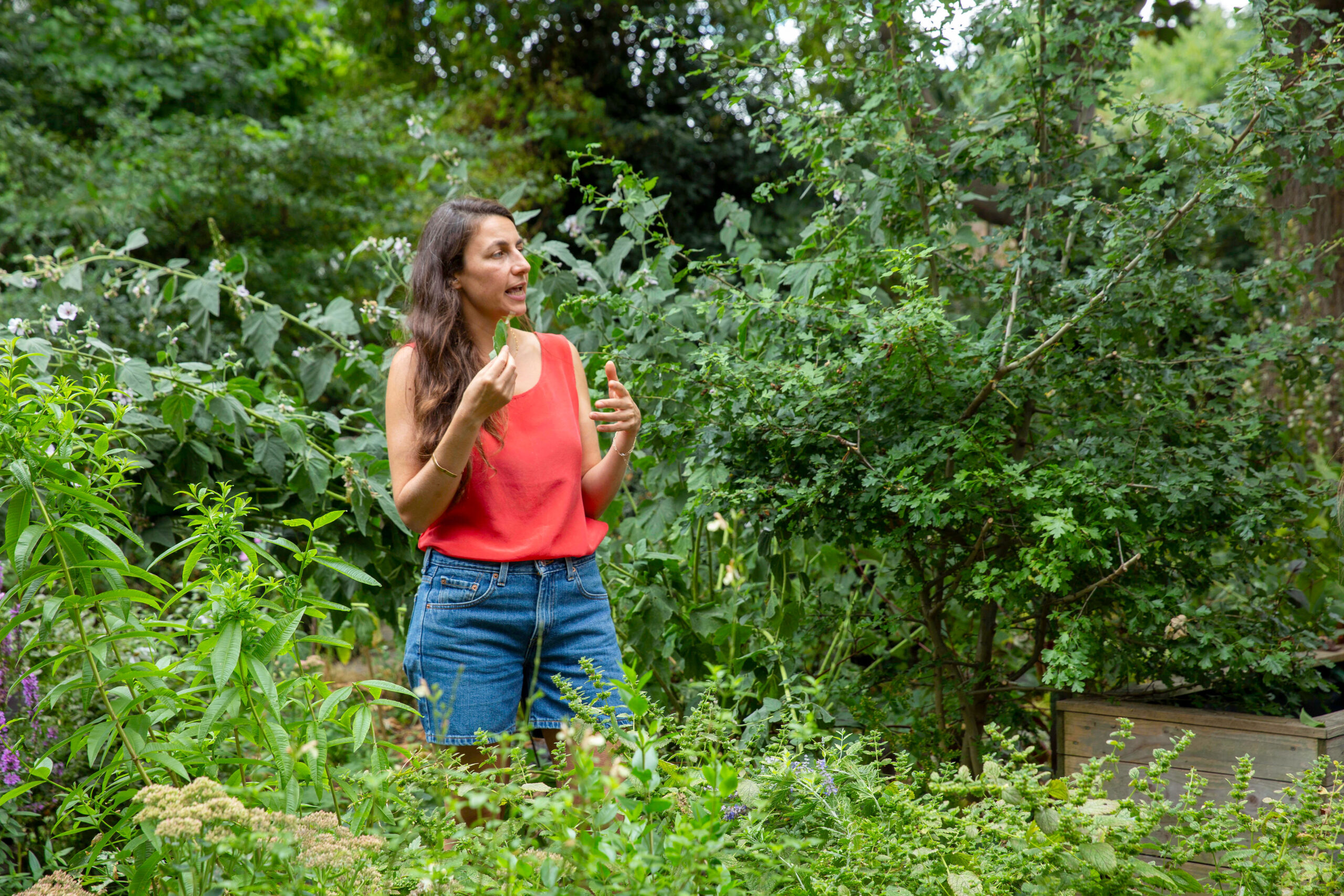
Join Hackney Herbal founder Nat Mady in conversation with Susannah Hall. Together they will delve into the history of Hackney Herbal, which celebrates 10 years this year. They will explore how permaculture principles are not only followed in the gardens but also inform how the social enterprise has developed and grown. Nat will share how the teachings of permaculture have helped her to turn what started out as a small side project into her full time employment.
Hackney Herbal is a social enterprise that promotes wellbeing through herbs. They are passionate about connecting people with the natural world in a way that helps people develop strong values for looking after the land around them. They run a mixture of community projects including garden volunteering, courses and weekly activities at Trowbridge Gardens in Hackney Wick as well as working in partnership with local mental health charities. Their profits are reinvested to provide free nature-based community activities that support people in Hackney to improve their mental health.
Grow Your Own Wardrobe: Colour and Cloth
Zoë Burt and Allan Brown
Allan Brown Zöe Burt
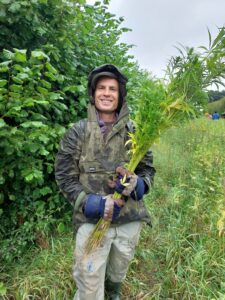
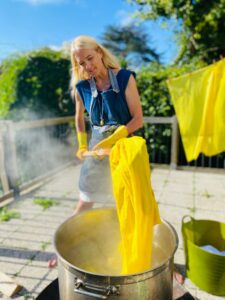
Allan Brown and Zoë Burt share a vision of how we may co-create colourful clothing and textiles in a post carbon (low energy) world. Allan Brown (of the Nettle Dress) will talk about his journey of working with natural fibres including demonstrations. The session will include cloth samples, simple tools and inspirational clothing and textiles. Zoë Burt will talk about growing dyes within a network of community gardens to contribute towards an urban natural dye textiles lab.
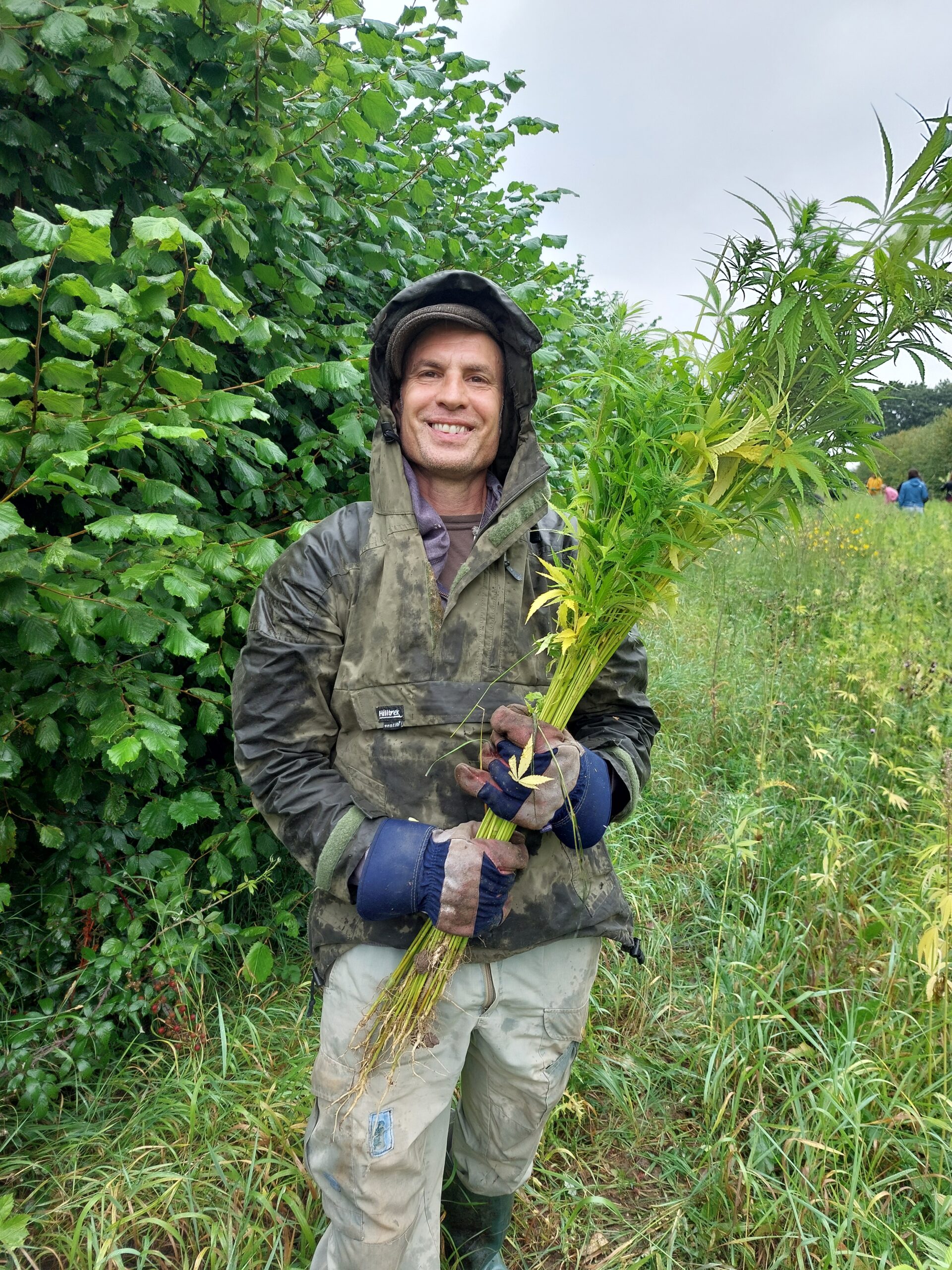
Allan is a weaver, spinner and dyer with a focus on sustainability: notably nettles, flax, hemp and wool. Allan grows and forages fibres to grow functional, beautiful clothing that reflects the colours of his local landscape. @hedgerowcouture
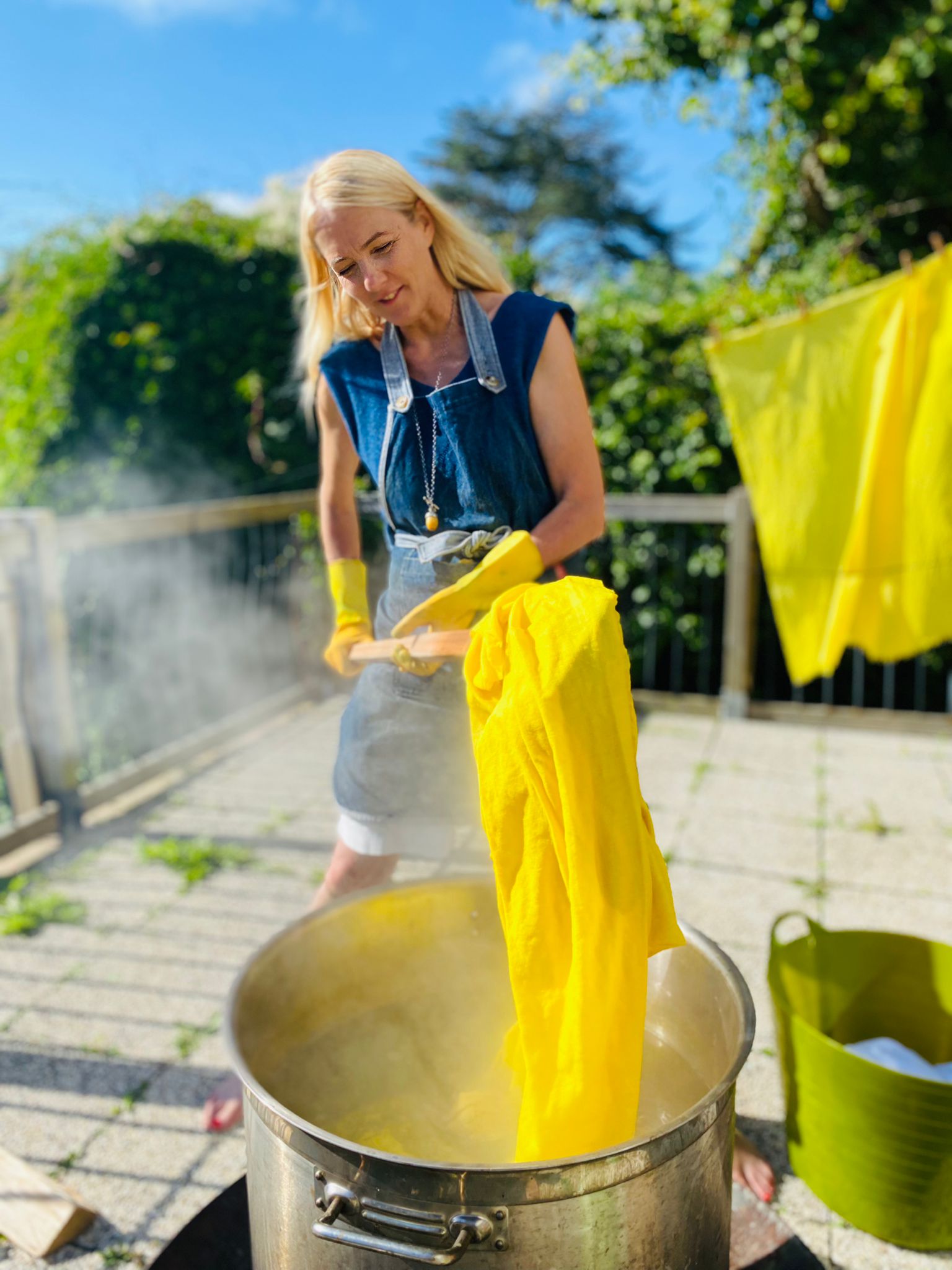
Zoë Burt is an artist specialising in textiles: plant dyes and print. Her work and collaborations explore ecology, botanical colour, cloth and sustainability. Zoë promotes the intersection of art, craft, nature and growing. www.zoeburt.com @zoeburtuk
Tiny House Living – how to design, self-build and live in a nomadic regenerative tiny home?
Ed Dale-Harris
Ed is an ARB Architect and Permaculture Designer. In 2014 he founded SAWA with Enock Ruziga, whilst working together on the ‘a house for a victim’ project in Rwanda. SAWA was built on nature based design principles that aim to re-birth critically important indigenous wisdom. It focuses on using local materials and labour to create vibrant community spaces for both humans and non humans. SAWA has worked across Asia, Africa, and Europe, winning the AJ100 Best Collaboration of the Year 2018 for its Agri Tech Centre in Cambodia.
Since 2022 Ed has been living and working from a Tiny House of his own. It has been towed from farm to farm, project to project, displaying the joys of regenerative living wherever it goes. His Tiny House allowed him to live in close proximity to his projects and take a very hands on approach. This year Ed has moved to Builth Wells, Wales were he hopes to settle down and start building roots in the local community.
Maximising tiny space growing
Susannah Hall
Susannah Hall
Join award-winning balcony designer, Susannah Hall to learn about maximizing what you can grow for nutritional benefit in a tiny space. After creating a balcony oasis with 50 different plants, four quails, a wormery and space for natural dyeing, Susannah now lives on a narrowboat. She will explain how she has set up her ‘narrowboat garden’ with wicking planters (with a water reservoir for efficient watering) made from recycled pallets, created through permablitzes. Compost from both her compost toilet (humanure) and her wormery are used as a growing medium and she has chosen plants that supply nutritional benefit that can’t be easily purchased. The diverse range of green leaves grown are combined with eggs from her quails that also live on the narrowboat.
Susannah Hall is a designer, trainer and facilitator for Permablitz London. She teaches adults and children about the wildlife we find in the city and designs edible gardens that work with rather than against nature.
She is the gardener at Cecil Sharp House and educator at the Josiah Braithwaite Community Garden and Kentish Town City Farm Community Garden. She has designed a forest garden for Forest Farm Peace Garden and co-designed (with Kayode Olafimihan) the food forest at Northwick Park Community Garden and the permaculture community gardens at Battersea Arts Centre and at London’s Community Kitchen.
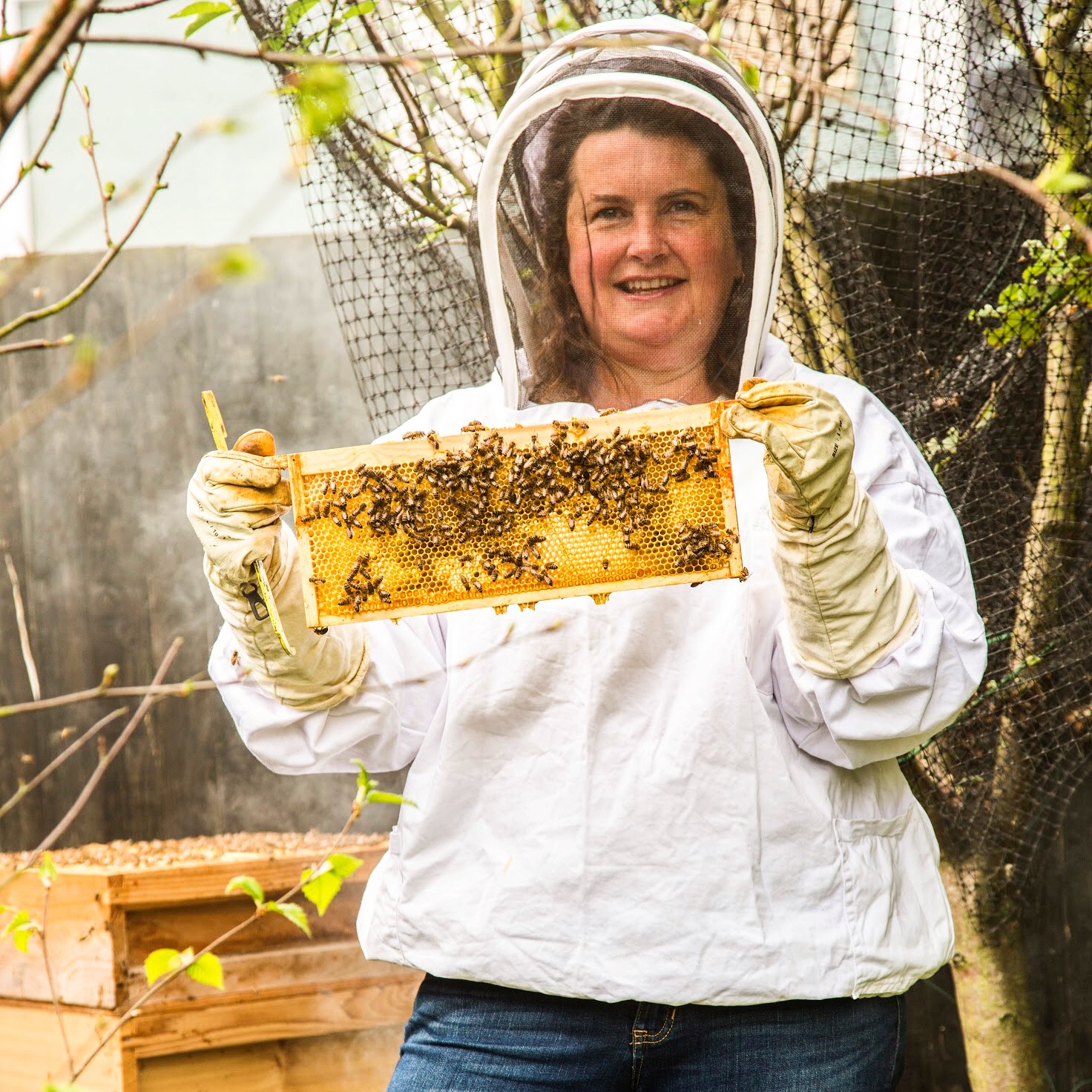
Sara has been keeping bees in her back garden since summer 2011 and was delighted to win First Prize for London Honey at the National Honey Show the very next year followed by a silver cup, an armful of awards and more recently a coveted Great Taste Award. This workshop, complete with live bees in a glass hive, will give a good introduction to urban bee keeping. You will learn about the bees, the role of the beekeeper, responsibilities throughout the year and finish with a honey tasting.
Over recent years Sara Ward and her family have transformed their Victorian terrace house into an urban smallholding allowing them to have the best of both worlds. Nestled in West London, they are living the good life complete with 20 hens, three colonies of honey bees and a fruitful kitchen garden.
Whilst Sara and the family continue to expand their hands-on skills, they train and encourage others through their schools programme, writing, and series of courses that are run from Hen Corner throughout the year. Be it preserving, cheese making, bee keeping or bread baking, there’s always something new that we can learn.
Unusual edible perennials: top forest garden plants
Eleri Kyffin
Come and join Eleri in a workshop where she will guide you in exploring her top unusual, edible perennials for forest gardens. Additionally, you will have the chance to sample some of the featured perennials. Eleri will also share her experience with the food forest garden at Northwick Park.
Eleri Kyffin is a trustee of the Northwick Park Community Garden charity. Since its establishment in 2018, it has been developed as a permaculture food forest garden that promotes sustainable and ecological gardening practices. Eleri, along with other trustees, Susannah Hall, and a core group of volunteers, have been making this garden a reality. The charity received funding to run a Permaculture Design Course for 30 students in 2022. This course aimed to develop skills and empower participants to replicate these practices in their communities.
Eleri is applying the insights and design from her permaculture design coursework at Northwick Park Station’s platform, which the charity took on in 2023. The initiative to transform the station platform into a permaculture garden reflects the charity’s innovative approach to urban greening, repurposing unconventional spaces for ecological and community benefit. Eleri and the charity are considering extending their green influence on the next station platform along the Metropolitan line. Besides her work with the charity, Eleri is also a manager of the Academic Engagement Team at the University of Westminster. She is developing her garden along permaculture principles and is a big fan of natural dyeing.
The Power of Permaculture Principles
Wilf Richards
Wilf Richards
Next year in 2026 there will be a new permaculture book on the scene, it’s going to be called The Power of Permaculture Principles. I’d like to tell you about the process of writing it with over forty collaborators and share some of the content with you in advance of it going to print.
What even is a principle and why did we develop them?
How do we use the principles?
Some key things I learnt from writing this book?
How did I use the principles to help write the book?
Wilf Richards is a permaculture designer, who has been co-managing a cooperative smallholding business near Durham City with friends since 2001. The ongoing learning about land, integration of community and creation of systems feeds into his permaculture teaching. He is a co-founder of the worker’s coop Abundant Earth, The Land of Roots CIC and Green Durham CIC. As a Senior Tutor for the British permaculture diploma system he supports apprentices in developing their professional permaculture design skills. On the land he focuses on managing the market garden, the veg box scheme and volunteers.
Simple home retrofits to reduce waste and save money
Hugh Livingstone
This workshop will look at practical steps to redesign your home – making it more comfortable, cheaper to run and better for the environment. We will look at energy efficiency, renewable energy options, water conservation and re-use; all aiming to reduce waste and save money.
Hugh Livingstone is a permaculture designer, trainer and founding member of Permablitz London. He teaches the urban eco-refurbishment and climate sections of Permablitz London’s certificated permaculture design training. He provides consultancy to help people integrate home and garden through permaculture designs and also teaches how to raise poultry in the city and their integration into the household economy.


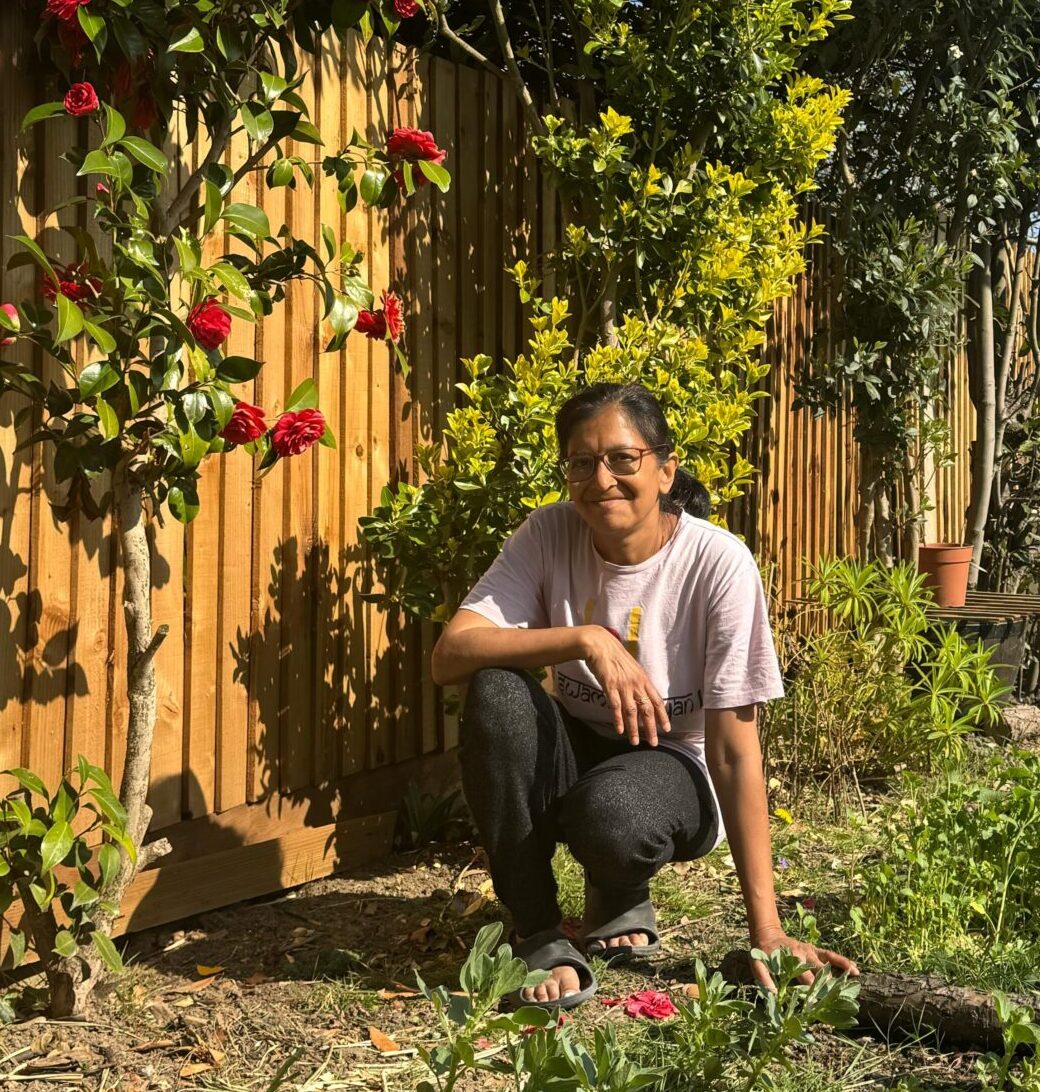 Hina and Niru will share their experiences and experiments of growing South Asian vegetables and herbs organically in an urban back garden.