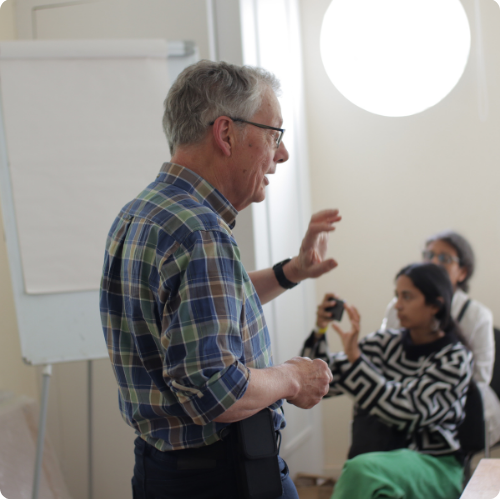
Julian Doberski
The issue of sewage ending up in UK rivers or the sea seems a perennial source of concern in the popular media. This talk doesn’t set out to apportion blame for the current situation, but it does attempt to explain how noxious sewage outpourings are – mostly – cleaned up by sewage treatment. At its best, industrial-scale processing of sewage can return clean effluent to rivers, lakes or the sea – at worst (for a variety of reasons) untreated effluent pollutes and damages aquatic ecosystems. By the end of the talk you should know more about the context of media ‘sewage’ stories and something about the mechanics of ameliorating the impact of the sewage we produce on the environment.
Profile
From a young age I have been a nature enthusiast. A first degree in Zoology was followed by an MSc in Forestry and a rather specialised PhD in Cambridge on fungal diseases of beetles. I then spent over thirty years lecturing at what is now Anglia Ruskin University in Cambridge. My teaching at ARU centred on ecology. Starting during the Covid lockdown, I wrote three short books which all related to areas of my teaching. The three titles are The Science of Compost, The Science of Garden Biodiversity and, most recently The Science of Sewage. All published by Pimpernel/Gemini Press. The compost book provides the basis for today’s presentation.
Return to Timetable
Event Timeslots (1)
Committee Room
-